All
All
 PoE Switches
 Indoor IP Camera
 Outdoor IP Camera
 Smart Wireless Doorbell
 Solar Battery Camera




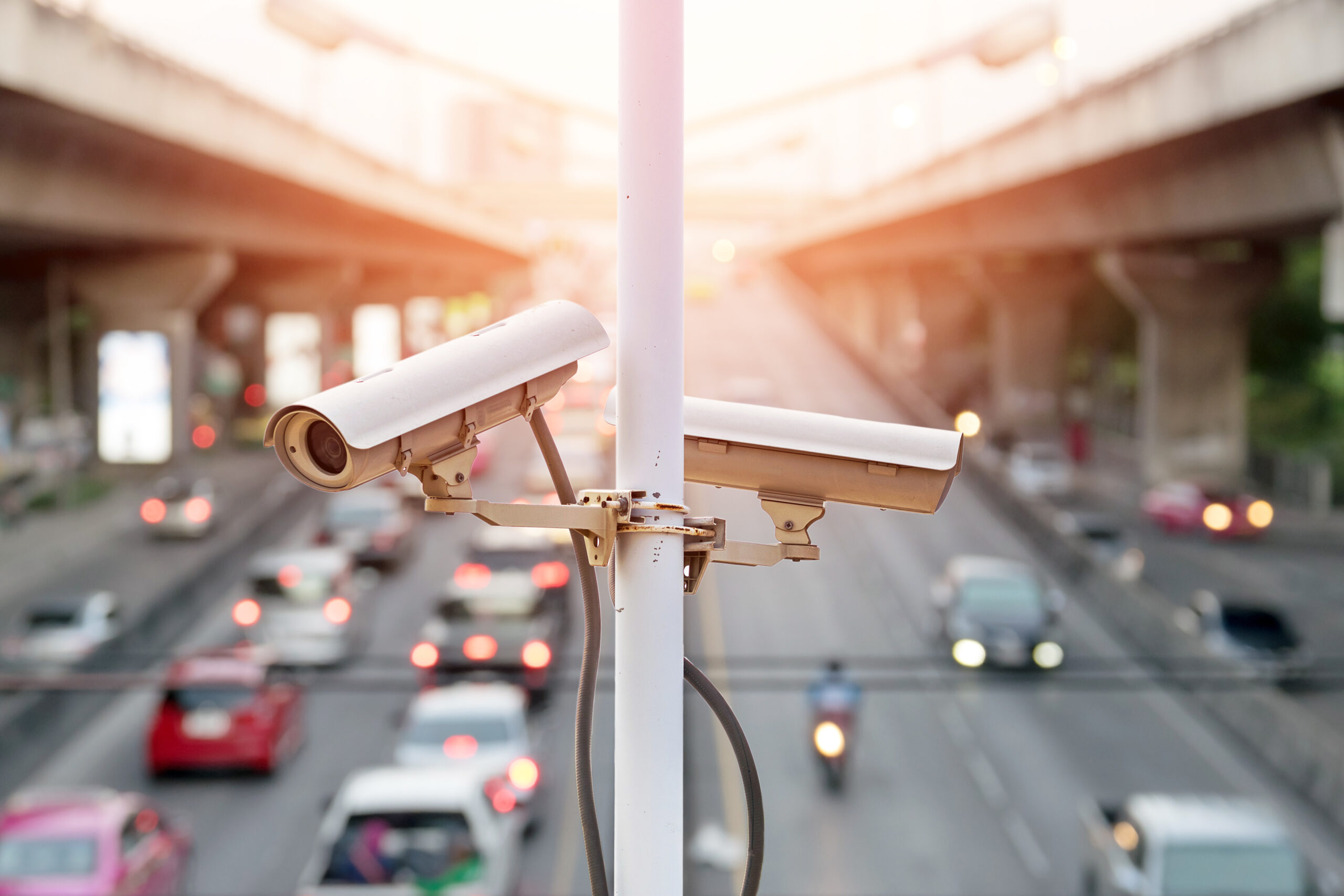
Choosing between IP cameras and analog cameras can be tough. Each has its own advantages and drawbacks. Let’s compare their image quality, installation, cost, and long-term benefits to help you decide which CCTV system is right for you.We are the leading supplier when it comes to cctv in South Africa Digital Smart Solution
Comparing Image Quality
IP cameras generally offer superior image resolution compared to analog cameras. With high-definition (HD) and even ultra-high-definition (UHD) options, IP cameras provide clearer, more detailed footage. This is useful for identifying faces, license plates, and other critical details.
Analog cameras typically offer lower resolution and may fall short in capturing fine details. If image quality is a priority, IP cameras are the better choice, providing sharper, more detailed images.
To learn more about cctv image quality click here.
If you believe this option is best suited for you, shop our wide range of Camera here.
Installation Differences
IP cameras are known for their easy installation, especially in wireless setups. They connect to your network via Wi-Fi or Ethernet, eliminating the need for extensive cabling. This flexibility makes them ideal for various locations.
Analog cameras require more wiring, using coaxial cables to connect each camera to a DVR (Digital Video Recorder). This makes installation more time-consuming. However, upgrading an existing analog setup can be straightforward.
IP cameras also support Power over Ethernet (PoE), which allows the camera to receive power and transmit data through a single Ethernet cable. This simplifies installation and reduces cable clutter.
Cost Comparison
Analog cameras are generally less expensive than IP cameras, making them attractive for budget-conscious buyers. However, IP cameras, though pricier initially, offer better image quality and advanced features that provide greater long-term value.
The easier installation of IP cameras can also reduce labor costs, potentially lowering overall expenses. Consider both initial and long-term costs to determine which system offers the best value.
Long-Term Benefits and Drawbacks
IP cameras offer excellent scalability. You can easily add more cameras to your system without significant infrastructure changes. This flexibility is ideal for growing businesses or homes with evolving security needs.
Analog cameras, while simpler, lack the advanced features of IP cameras and may require more frequent upgrades. Maintaining an analog system can be more challenging due to extensive cabling.
IP cameras integrate well with other smart home devices, creating a comprehensive and automated home security setup. This integration enhances overall security and provides a seamless user experience.
On the downside, IP cameras rely on your internet connection, which can be a limitation in areas with poor connectivity. However, most modern IP cameras offer local storage options as a backup.
Conclusion
Choosing between IP cameras and analog cameras depends on your needs and priorities. If image quality, easy installation, and long-term scalability are important, IP cameras are likely the better choice. They offer advanced features, high-resolution footage, and smart device integration.
If you need a budget-friendly, reliable solution, analog cameras might suit you better. They provide basic surveillance at a lower initial cost and are suitable for simpler security setups.
Weigh the pros and cons of each system to make an informed decision that enhances your home or business security. Embrace the advancements in CCTV technology and enjoy the peace of mind that comes with a well-secured property.