All
All
 PoE Switches
 Indoor IP Camera
 Outdoor IP Camera
 Smart Wireless Doorbell
 Solar Battery Camera





In today’s world, home security is more important than ever. As technology advances, home wireless surveillance cameras are becoming increasingly popular. These devices offer a variety of benefits that make them a worthwhile investment for many homeowners. But are they really worth it? Let’s explore the advantages, differences between wireless and wired systems, installation options, and future trends in home surveillance technology.
Advantages of Home Wireless Surveillance Cameras
One of the biggest advantages of home wireless surveillance cameras is their flexibility. You can place them anywhere without worrying about running wires through your walls. This makes it easy to cover areas that might be difficult or impossible to reach with a wired system. Whether you want to monitor your front porch with a wifi camera outdoor or keep an eye on your living room, wireless cameras can do the job.
Another benefit is the ease of installation. Unlike wired systems, which often require professional installation, most wireless surveillance cameras are designed for do-it-yourself setups. This means you can save money on installation fees and get your system up and running in no time. Plus, many wireless cameras come with user-friendly apps that make it simple to view footage and receive alerts on your smartphone.
Wireless cameras also offer advanced features that enhance your home security. Many models include motion detection, night vision, and two-way audio, allowing you to see and hear what’s happening around your home at any time. Some even have smart capabilities, integrating with other home automation devices for a more comprehensive security solution.
Comparing Wireless and Wired Surveillance Systems
When deciding between wireless and wired surveillance systems, it’s important to consider the pros and cons of each. Wireless systems are generally more flexible and easier to install, but they can be susceptible to interference from other electronic devices. This can sometimes lead to a weaker signal or interruptions in your video feed.
On the other hand, wired systems offer a more stable connection, which can be crucial for continuous monitoring. They don’t rely on wifi, so you won’t have to worry about your internet connection affecting your security footage. However, the installation process for wired systems can be more complicated and costly, often requiring professional help.
In terms of cost, wireless cameras can be more affordable initially, but wired systems may offer better long-term reliability. It’s also worth noting that wireless cameras typically need to be recharged or have their batteries replaced periodically, whereas wired cameras are powered continuously through the electrical system.
DIY Installation vs. Professional Installation
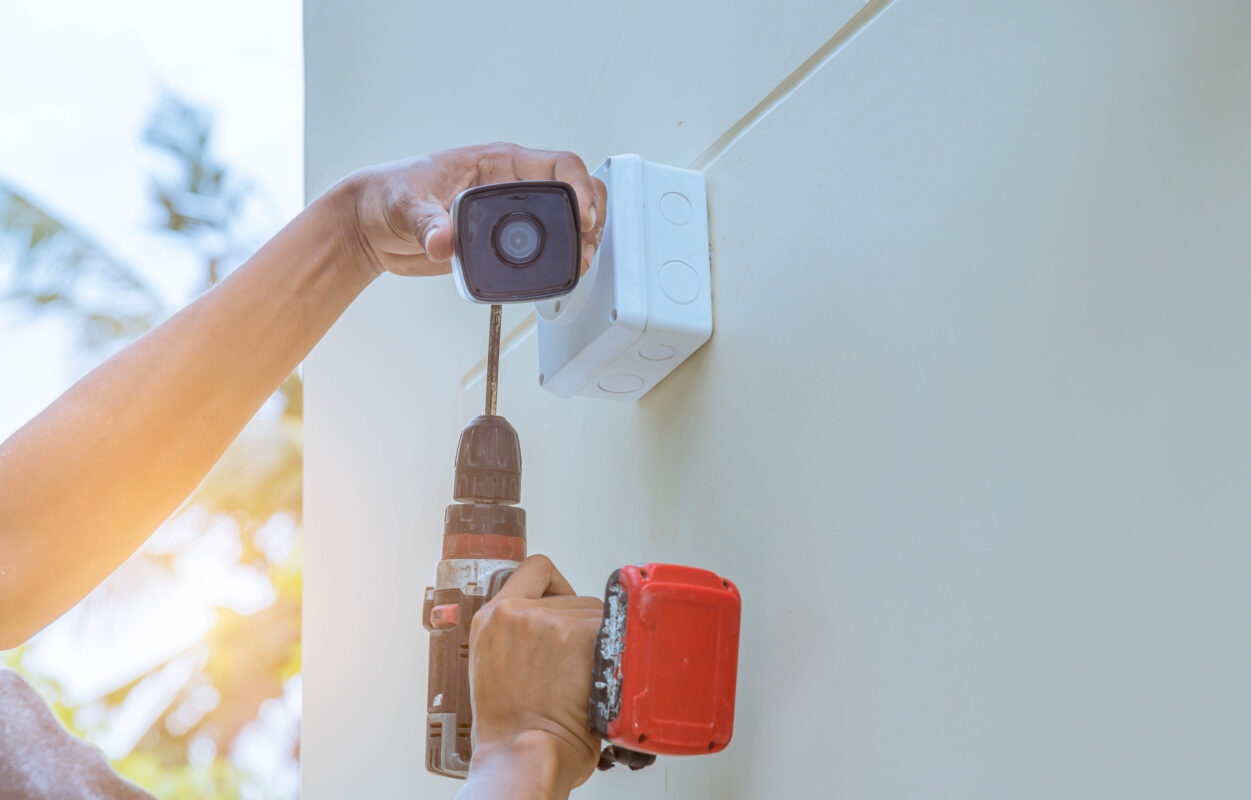
One of the main selling points of home wireless surveillance cameras is their easy installation process. Many homeowners choose to install these systems themselves to save money and have more control over the placement of their cameras. Most wireless cameras come with detailed instructions and all the necessary mounting hardware, making it simple to set up a basic surveillance system in just a few hours.
For those who prefer a hands-off approach, professional installation is also an option. Professional installers can ensure that your cameras are placed in optimal locations for maximum coverage and performance. They can also integrate your cameras with other security devices and systems, providing a seamless and comprehensive security solution.
Whether you choose DIY or professional installation, it’s important to consider your specific needs and capabilities. If you’re comfortable with basic DIY projects and want to save money, installing your own wireless cameras can be a great option. However, if you have a large property or complex security needs, professional installation might be worth the investment.
Check out why DIY Installation is all the fun here.
Future Trends in Home Surveillance Technology
The world of home surveillance technology is constantly evolving, with new advancements and features being introduced regularly. One of the most exciting trends is the integration of artificial intelligence (AI) in surveillance cameras. AI-powered cameras can analyze video footage in real-time, detecting and alerting you to potential security threats more accurately than ever before.
Another trend is the increasing use of cloud storage for video footage. Many modern home wireless surveillance cameras offer cloud storage options, allowing you to store and access your security footage from anywhere. This not only provides added convenience but also ensures that your footage is safe and secure, even if your camera is damaged or stolen.
Smart home integration is also becoming more prevalent, with surveillance cameras being incorporated into larger home automation systems. This allows you to control your cameras alongside other smart devices, such as lights, locks, and thermostats, creating a fully connected and automated home security system.
If your ready to protect your home check out our wide range of Products
In conclusion, home wireless surveillance cameras offer numerous benefits that make them a valuable investment for many homeowners. Their flexibility, ease of installation, and advanced features provide effective and convenient home security solutions. Whether you choose a DIY setup or opt for professional installation, wireless cameras can help you keep an eye on your property and give you peace of mind. As technology continues to advance, the future of home surveillance looks bright, with even more innovative and powerful security solutions on the horizon.